


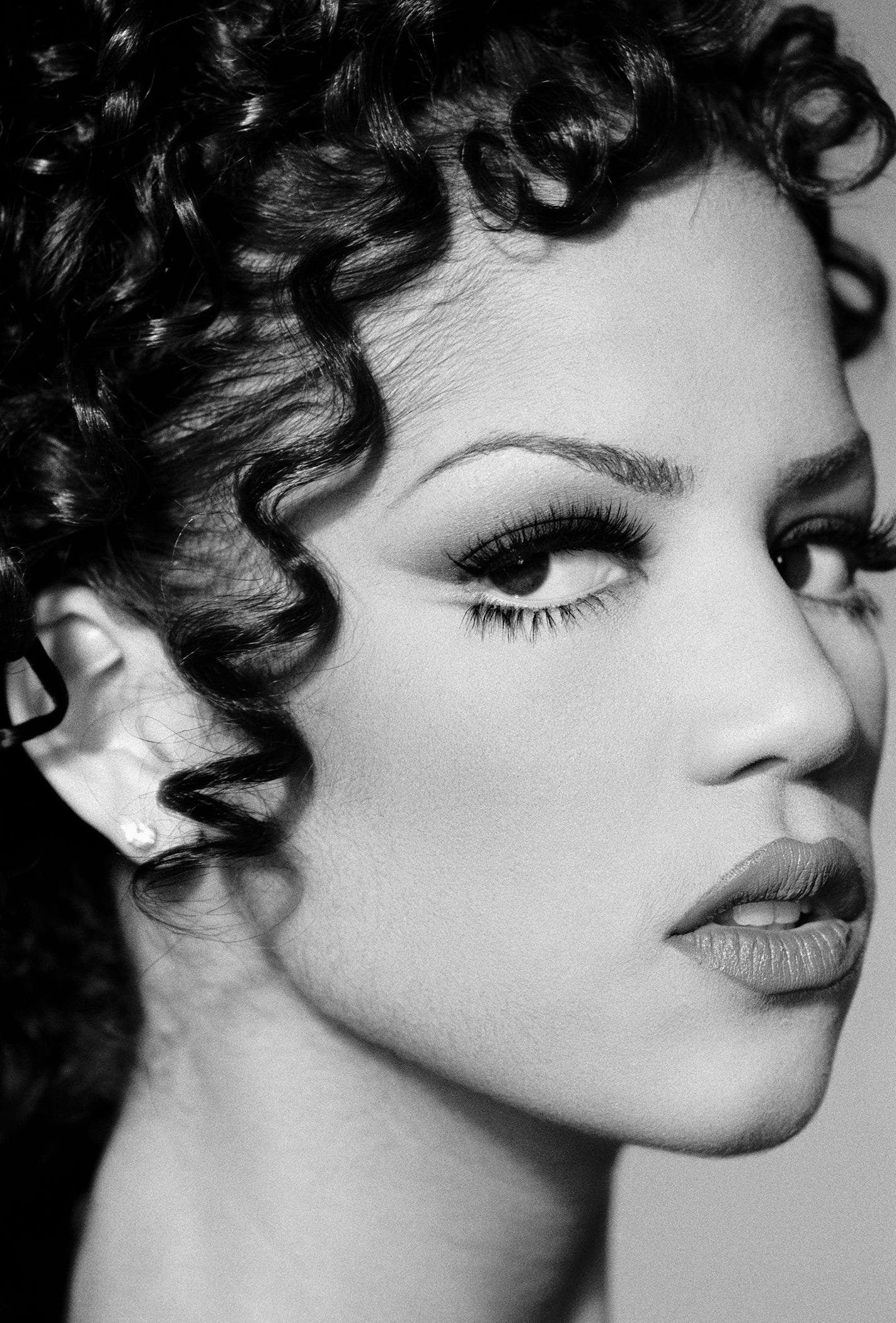
The images people call “effortless” are usually the most controlled.
That word—effortless—gets thrown around as a compliment, but it’s rarely accurate and often dismissive. It suggests that something powerful simply appeared, fully formed, without labor, intention, or infrastructure.
That’s almost never true.
In fashion, we know better. The images that feel relaxed, seductive, inevitable—the ones that linger—are the result of deep preparation and sharp restraint. Nothing is random. Nothing is rushed. And nothing is left to chance.
What reads as ease is actually clarity.
Hair and makeup are a perfect example. When they’re doing their job well, you barely notice them. You feel the mood before you see the technique. Authority without strain. Sexiness without noise.
That’s not accident. That’s mastery.
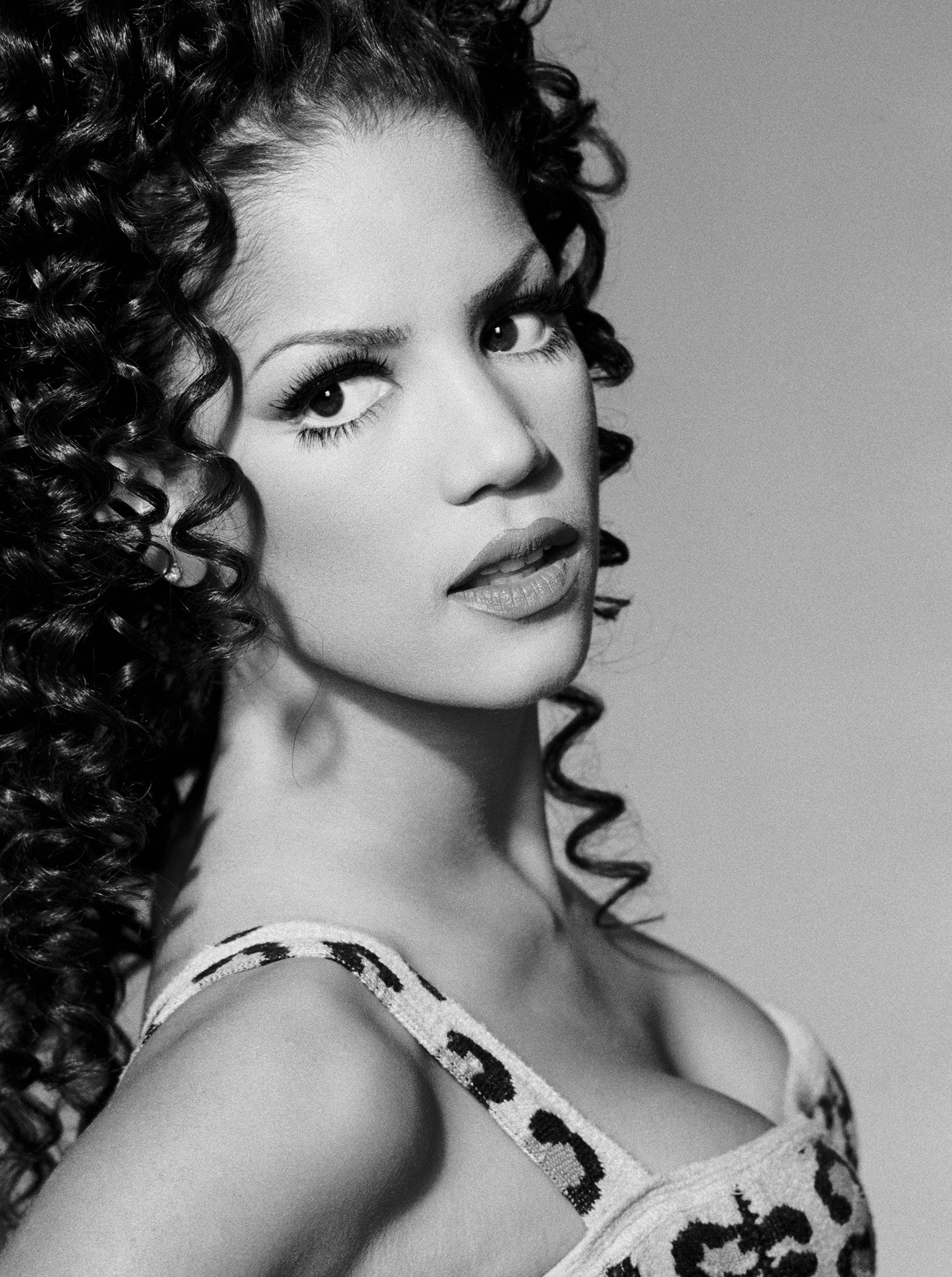
In my earlier essay, I wrote about how great photographs are built through collaboration—hair, makeup, clothes, camera, and a shared understanding of the story being told. When that alignment exists, the model doesn’t need to perform. She enters the frame and lets the work carry her.
The same principle applies everywhere else.
Effortlessness is often mistaken for talent, when it’s really the byproduct of preparation. We see it in leadership, in public speaking, in creative work, even in relationships. The people who appear most at ease are usually the ones who have done the most thinking in advance.
They’ve decided who they are before they arrive.
What’s dangerous about the myth of effortless beauty—or effortless success—is that it erases the labor behind it. It makes skill look innate and preparation look unnecessary. And it quietly discourages people who are still doing the work from trusting the process.
Ease is not the absence of effort.
It’s the result of it.
The images that last don’t shout. They don’t beg for approval. They don’t explain themselves. They invite the viewer in and let curiosity do the rest.
That kind of confidence can’t be faked.
And it can’t be rushed.
So the next time you hear “effortless,” look closer. Ask what systems, teams, and decisions made that ease possible. Because what you’re really seeing isn’t luck.
It’s discipline—so refined it no longer needs to announce itself.
This is part of an ongoing conversation about how images—and identities—are actually constructed. Not effortlessly, but intentionally.